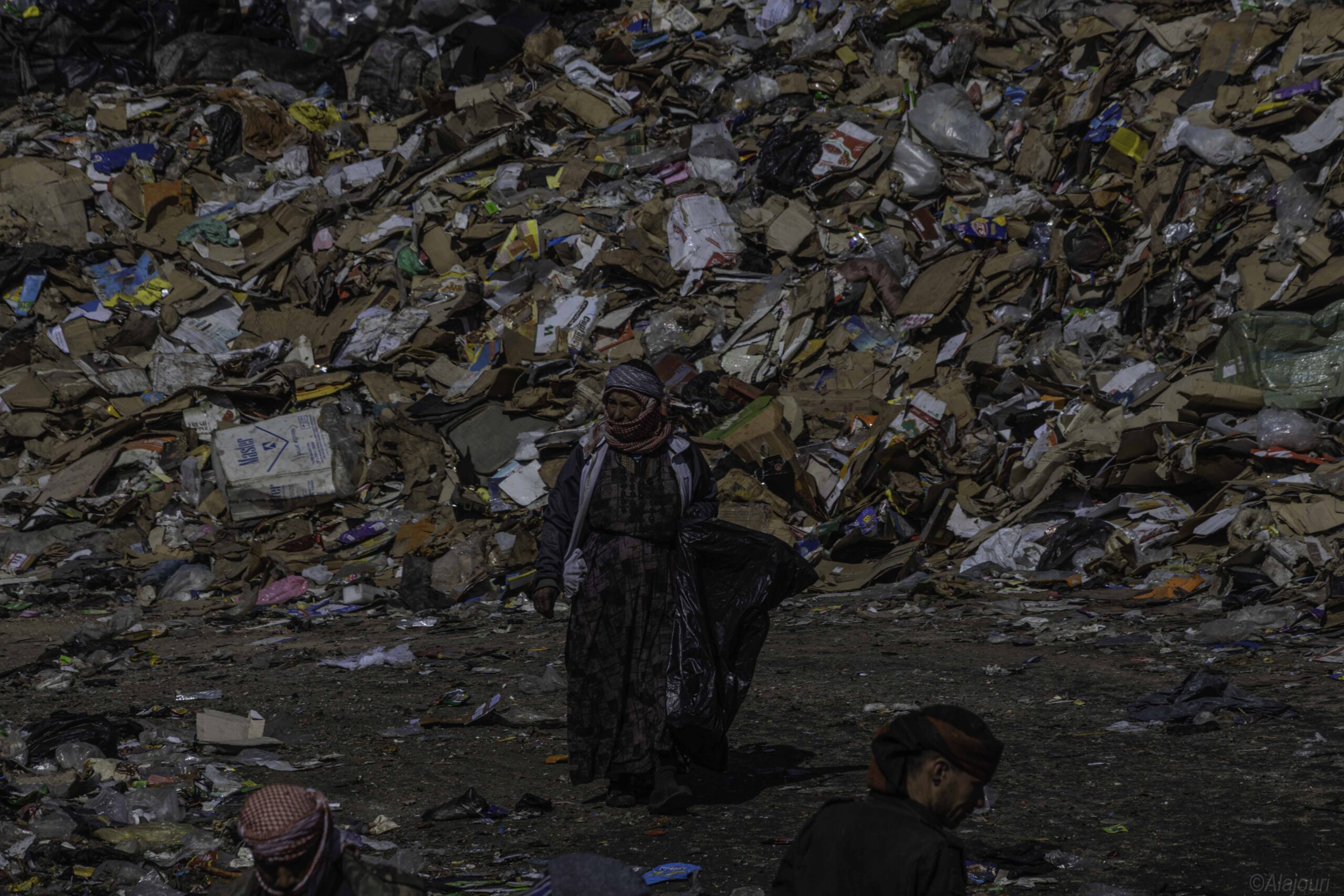
Waste
Waste of War – Central waste sorting site, Damascus, 2025. Photographed a few months after the fall of the Assad regime, this series documents a
Waste of War – Central waste sorting site, Damascus, 2025. Photographed a few months after the fall of the Assad regime, this series documents a
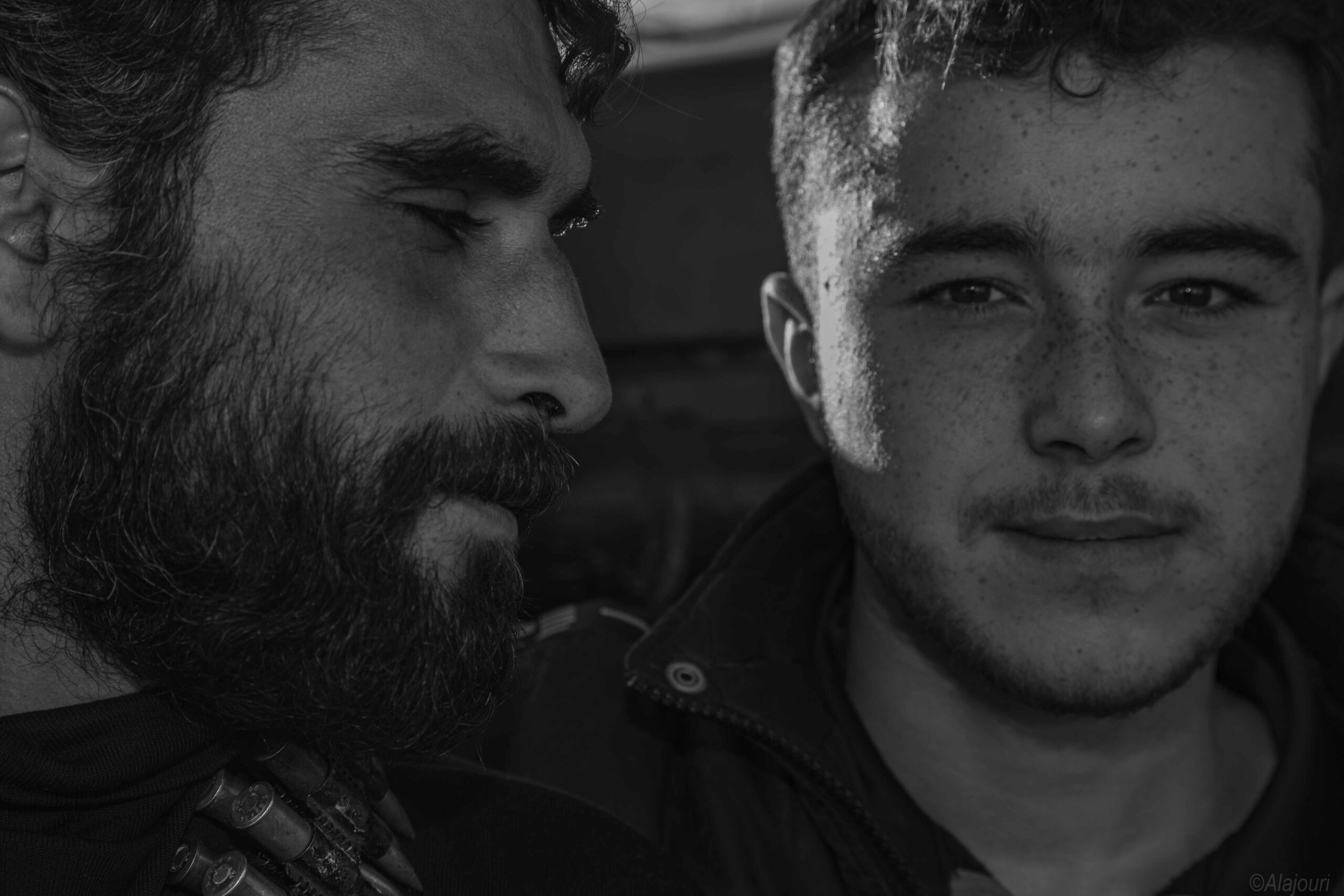
The men in these photographs were not professional soldiers. They were everyday people—farmers, workers, drivers—who decided to take up arms against an oppressive government. As
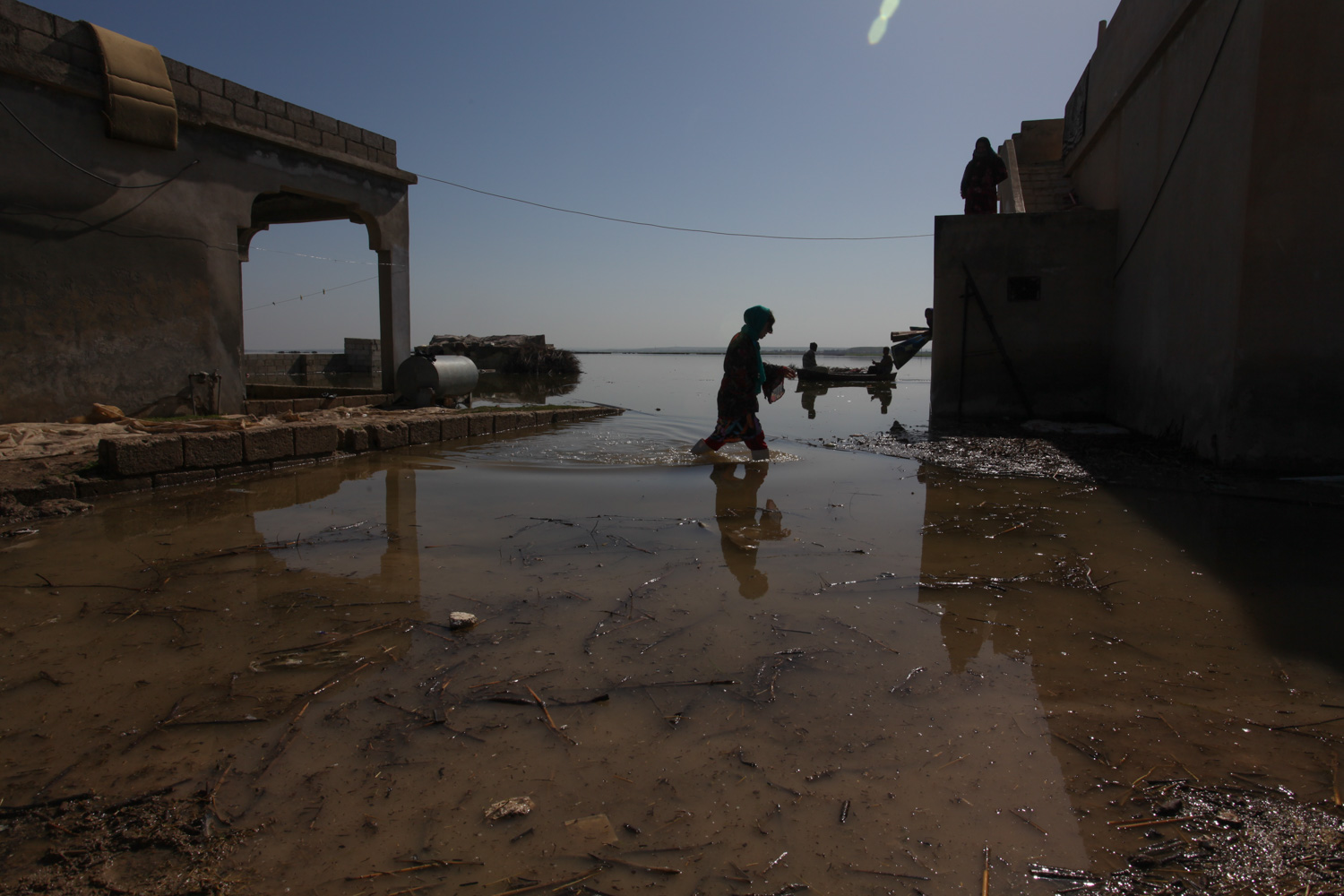
During the Syrian Civil War, in a calculated effort to suppress regions of rebellion, the regime blocked the flow of water from the Queiq River,
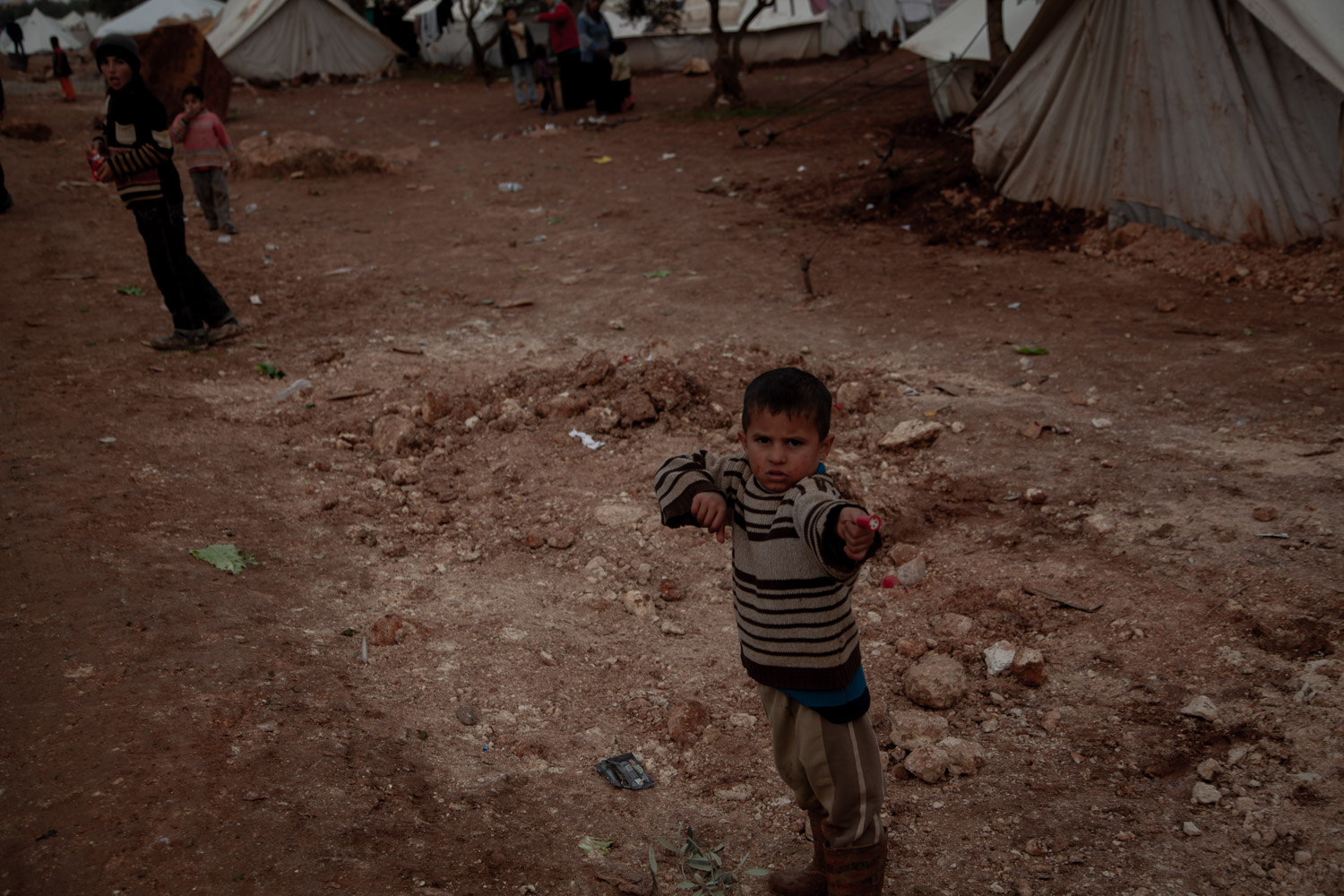
The refugee camps along the Turkish-Syrian border in 2012 were meant to be a refuge, but they were little more than rows of makeshift tents